International SLP clinical placements are no longer optional enhancements to speech-language pathology programs. They are becoming central to how departments recruit students, diversify cohorts, and prepare graduates for an increasingly global profession. Across the United States, SLP faculty and department chairs are navigating rising interest in international student enrollment, increasing demand for global clinical opportunities, and the need to modernize curriculum to reflect multilingual and culturally complex practice environments. When designed intentionally, international SLP clinical placements can support all three priorities at once.
International SLP clinical placements create a bridge between global engagement and workforce development. Programs that integrate structured international experiences and reciprocal partnerships report stronger student engagement, enhanced professional identity development, and increased recruitment interest from both domestic and international applicants. At a time when departments are competing for highly qualified students and responding to calls for increased diversity in the profession, strategic internationalization offers a powerful solution.
International Students in U.S. Programs and the Role of International SLP Clinical Placements
International students bring significant linguistic, cultural, and intellectual capital to U.S. SLP programs. They broaden classroom discussion, expand perspectives on disability and communication, and frequently return to countries with limited SLP infrastructure to build services and train future professionals. Research examining international students in SLP clinical education contexts suggests that differences in clinical communication styles or supervisory expectations are often small and responsive to structured support and mentoring. When programs provide transparent expectations, scaffolded supervision, and culturally responsive feedback systems, international students demonstrate competency outcomes comparable to domestic peers.
International SLP clinical placements can further support international students by offering structured opportunities to connect theory to practice in culturally complex settings. These placements allow international students to draw on their linguistic and cultural strengths while developing clinical reasoning skills in diverse environments. For departments interested in expanding international enrollment, pairing recruitment strategies with clearly defined international SLP clinical placements strengthens both student success and program appeal.
At the same time, admissions research highlights how underrepresented applicants often navigate hidden curriculum barriers, relying on peer networks, mentorship, and community cultural wealth to access graduate education. International students frequently encounter similar structural challenges. Transparent advising pathways, structured clinical preparation guidance, and explicit performance rubrics reduce ambiguity and improve retention. International SLP clinical placements become most effective when embedded within a broader system of advising reform and mentorship infrastructure.
American Students Working Abroad Through International SLP Clinical Placements
The global movement of clinicians is not one-directional. Increasing numbers of U.S.-educated SLPs are seeking opportunities to work abroad or participate in international service partnerships. Research examining U.S.-trained clinicians navigating international practice highlights critical themes including contextual adaptation, limited resources, regulatory ambiguity, and the need for resilience. These findings underscore an important reality. U.S.-based training does not automatically translate into culturally responsive international practice.
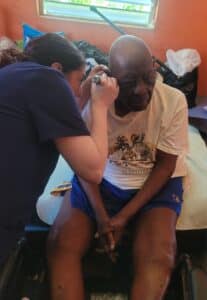
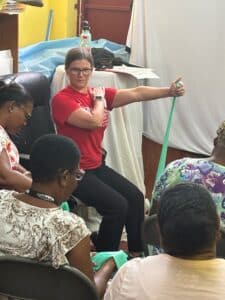
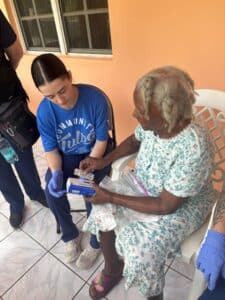
International SLP clinical placements provide an opportunity to prepare students for this complexity before they graduate. Rather than positioning international experiences as short-term observational trips, programs can design international SLP clinical placements that emphasize ethical engagement, community partnership, and reciprocal learning. Pre-departure training in multilingual assessment, health systems literacy, and cultural humility strengthens student readiness. On-site supervision aligned with competency standards ensures accountability. Post-placement reflection integrates experience into professional identity formation.
Faculty often ask whether international SLP clinical placements can align with accreditation requirements and ASHA competencies. The answer is yes, when placements are intentionally structured. Competency mapping, supervision documentation, and reflective assessment tools allow departments to demonstrate that international clinical hours meet the same performance standards as domestic placements. When executed thoughtfully, international SLP clinical placements enhance rather than complicate accreditation alignment.
Curriculum Innovation and the Strategic Integration of International SLP Clinical Placements
Internationalization should not be treated as an extracurricular add-on. The most effective programs integrate international SLP clinical placements into broader curriculum reform. Three areas consistently emerge as high-impact opportunities.
First, advising and mentorship systems must be strengthened. Underrepresented and international students benefit from structured advising models that clarify clinical expectations and reduce hidden curriculum barriers. Embedding international SLP clinical placements within advising conversations signals institutional commitment to global engagement and student support.
Second, curriculum must explicitly address cultural humility, multilingualism, and global health systems. Students require instruction in how language hierarchies, disability frameworks, policy structures, and historical inequities shape communication services worldwide. International SLP clinical placements provide a practical laboratory for applying these frameworks.
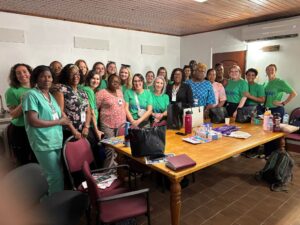
Third, partnerships must be reciprocal and sustainable. Ethical international SLP clinical placements are built in collaboration with local ministries, schools, rehabilitation centers, and community leaders. They are not extractive models. They emphasize continuity, capacity building, and long-term relationship development. Departments that prioritize reciprocity strengthen both global credibility and student learning outcomes.
Recruitment Advantages of International SLP Clinical Placements
From a recruitment perspective, international SLP clinical placements differentiate programs in a competitive marketplace. Prospective students increasingly seek meaningful global engagement opportunities. Faculty-led placements signal quality and safety. Structured supervision reassures families and institutional administrators. Clear articulation of learning outcomes enhances credibility.
International students evaluating U.S. programs are particularly attentive to opportunities that recognize and value multilingualism and global experience. When departments promote well-designed international SLP clinical placements, they communicate openness, innovation, and workforce relevance.
International SLP clinical placements also support alumni engagement and donor interest. Graduates who participate in global experiences often maintain long-term connection to programs that facilitated those opportunities. This relational continuity strengthens program reputation and network growth.
Supporting Faculty and Reducing Administrative Burden
Department chairs frequently express concern about faculty workload and administrative complexity when considering international expansion. Effective international SLP clinical placements must include logistical infrastructure, community coordination, risk management planning, and supervision mapping. When external partners manage on-the-ground logistics and coordinate community relationships, faculty can focus on teaching and supervision rather than travel administration.
International SLP clinical placements should reduce faculty stress, not increase it. Clear communication channels, defined supervisory roles, and alignment with institutional policies are essential. Programs that implement these structures successfully report high faculty satisfaction and sustained participation.
The Future of the SLP Workforce
The future SLP workforce will be multilingual, mobile, and globally interconnected. Domestic clinical settings increasingly reflect global migration patterns and cultural diversity. International SLP clinical placements prepare students for this reality. They strengthen adaptability, empathy, ethical reasoning, and collaborative practice.
Departments that strategically integrate international SLP clinical placements position themselves as leaders in workforce innovation. They signal commitment to diversity, equity, and global partnership. They attract students who are motivated by purpose and impact.
If you are a department chair or SLP faculty member interested in recruiting international students, developing structured international SLP clinical placements, or integrating global engagement into your curriculum, now is the time to explore partnership opportunities. International SLP clinical placements are not simply about travel. They are about preparing clinicians who can serve complex communities with competence, humility, and resilience.
The next chapter of speech-language pathology will be written by programs willing to think globally while acting responsibly. International SLP clinical placements are one of the most strategic ways to begin.
A Call to Collaboration
The future SLP workforce will be multilingual, mobile, and globally interconnected. Programs that intentionally integrate international students, ethical global placements, and curriculum innovation will be best positioned to lead.
If you are a department chair or faculty member interested in:
• Recruiting and supporting international students
• Developing structured international clinical placements
• Strengthening cultural humility outcomes
• Expanding global health curriculum content
We would welcome a conversation.
The next phase of the profession will not be built in isolation. It will be built through partnership. Let’s talk.
Kris Brock Ph.D. CCC-SLP
Academic Director
aac@therapyabroad.org