New for 2027: Northern ItalySpeechies in Rome, Bologna & Venice →
Now Booking: Winter Break 2026Belize 12-Day CSD Immersive, Dec 29 →
Earn College CreditSee how it works →
Home / Continuing Education / Community Education
Useful education starts with listening. Therapy Abroad works with partners to explore learning opportunities for the people who support communication, participation, health, and education in their communities. Teachers, caregivers, healthcare workers, and local organizations bring knowledge that helps define what a program should address.
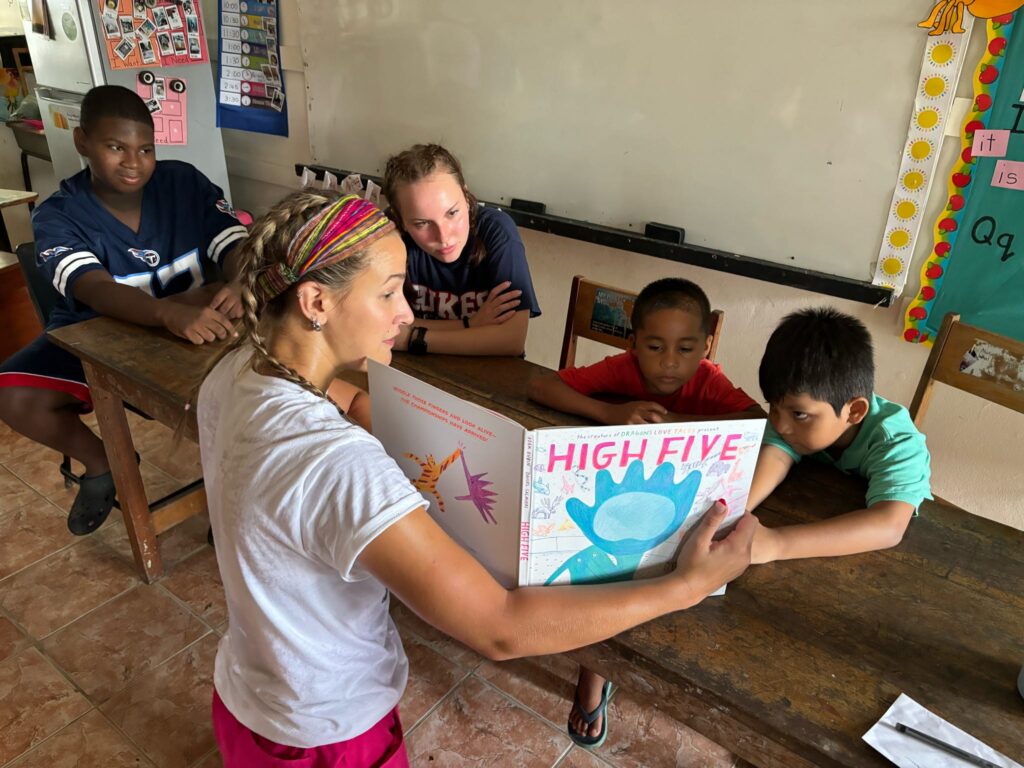
Community education is a shared process. Local partners help identify the audience, the questions that matter, and the resources available. Visiting educators contribute within their expertise while learning how local systems and priorities affect the usefulness of a proposed approach.
This work may connect with an existing institutional relationship, a teacher or healthcare worker training initiative, or a specific learning request. The format should follow the need, whether that calls for a focused workshop, facilitated discussion, practical demonstration, or a series of learning sessions.
We also collaborate with school districts and professional teams seeking a deeper understanding of cultural and linguistic diversity. Together, we can discuss learning that is relevant to the people you serve and the work you do every day.
Discuss accessible communication, family engagement, and the ways language and culture influence learning and service delivery.
Explore participation in school routines, collaboration between educators and therapy professionals, and locally relevant approaches to supporting learners with different needs.
Discuss practical education that helps caregivers understand professional recommendations, ask questions, and participate in shared planning.
Examine assumptions, communication barriers, and the experiences of multilingual families in educational and healthcare settings.
Bring teachers, clinicians, and community workers together to understand their respective roles and identify opportunities for coordination.
Your team may be looking for a shared understanding of cultural responsiveness, stronger communication with multilingual families, or professional learning that connects with district priorities. We can help you explore an international group experience around those goals.
Begin with the challenges and learning objectives your team has identified. We can discuss relevant professional instruction, cultural context, and opportunities for reflection. Any visits with local schools or organizations depend on their interest, capacity, and agreement.
First, define the audience and the practical question the education should address.
Next, consider participant knowledge, language access, delivery format, and appropriate educators.
Then agree on what participants should be able to understand or do and how the group will review the learning.
A well-designed workshop can contribute to a longer relationship. We encourage planning around who will use the materials, who can answer later questions, and whether follow-up learning is feasible. Any ongoing support should be agreed with the partner and reflected in the program scope.
Partner feedback helps identify whether the education was relevant and what should change. Success may mean a clearer shared process, a useful resource, or a practical next step defined by the people doing the work.
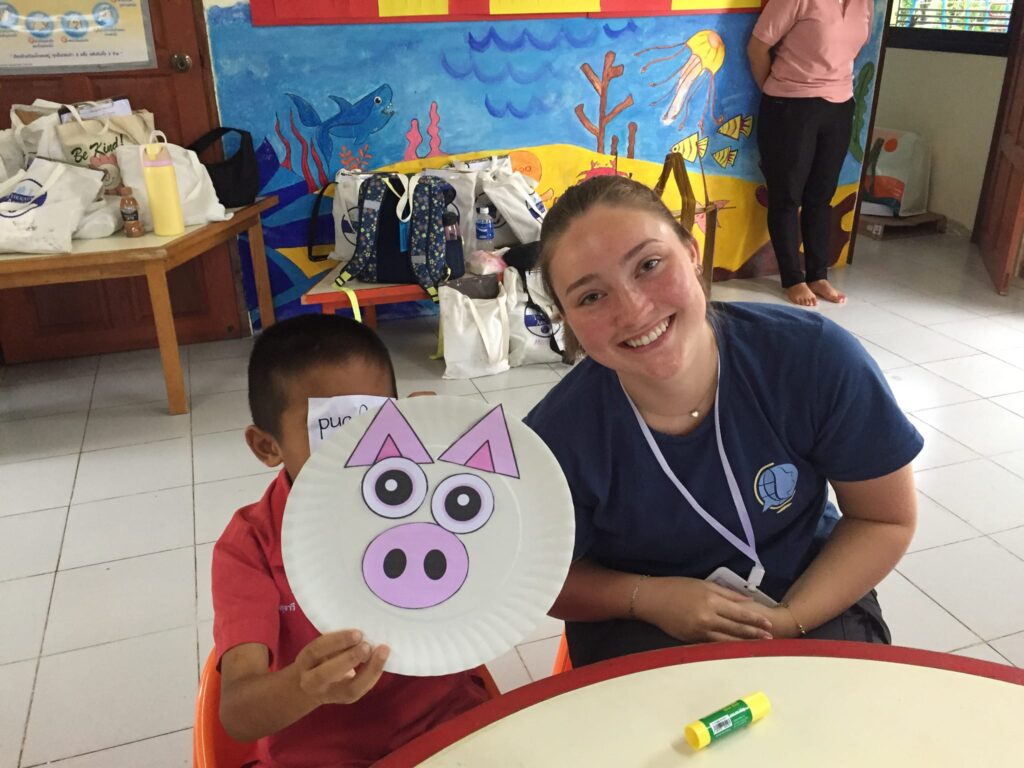
Community members and local professionals participate as partners in learning. Educational visits should respect consent, privacy, professional boundaries, and the responsibilities of host organizations. Clinical activities require their own appropriate permissions and supervision; joining an education program does not authorize a visitor to provide care.
Schools, districts, healthcare organizations, community groups, and institutional partners can contact us to discuss their learning goals. We will explore whether the topic and format fit the available expertise and partner setting.
Credit is specific to an approved course and its requirements. Some community learning may be non-credit. If professional credit is important to your group, raise that requirement during planning so it can be evaluated before the program is advertised.
Yes, where there is mutual interest and a suitable role. Local involvement should be planned with the partner, including preparation, scheduling, language needs, and any agreed compensation or expenses.
Bring a learning priority, a question, or a proposed collaboration. We will help you explore an appropriate educational approach and the next steps.
Bring a learning priority, a question, or a proposed collaboration.
Share general learning goals only. Please do not include student, patient, or confidential records.
Choose Yes for a call in the form and our team will contact you to arrange a time. Email and telephone also work.
Combine focused professional coursework with cultural exploration and opportunities to learn alongside colleagues. Browse courses for speech-language pathologists, occupational therapists, occupational therapy assistants, and other audiences identified in each course listing.
Group travel, cultural immersion, and faculty-led programs, designed exclusively for students and professionals in the health sciences.
Have a question? Send us a general inquiry, or choose a program to ask about a specific trip. It goes straight to our admissions team.
Powered by WeTravel Trip Inquiry.
Send us a general inquiry or ask about a specific trip. It goes straight to our admissions team.
Powered by WeTravel Trip Inquiry.