
New for 2027: Northern ItalySpeechies in Rome, Bologna & Venice →
Now Booking: Winter Break 2026Belize 12-Day CSD Immersive, Dec 29 →
Earn College CreditSee how it works →
Home / Faculty & Advisors / Custom faculty-led programs for health sciences education
Build an international program around the outcomes you want your students to achieve. Therapy Abroad collaborates with faculty to connect course content, experiential learning, and community engagement in a program suited to your discipline, student level, academic calendar, and budget.

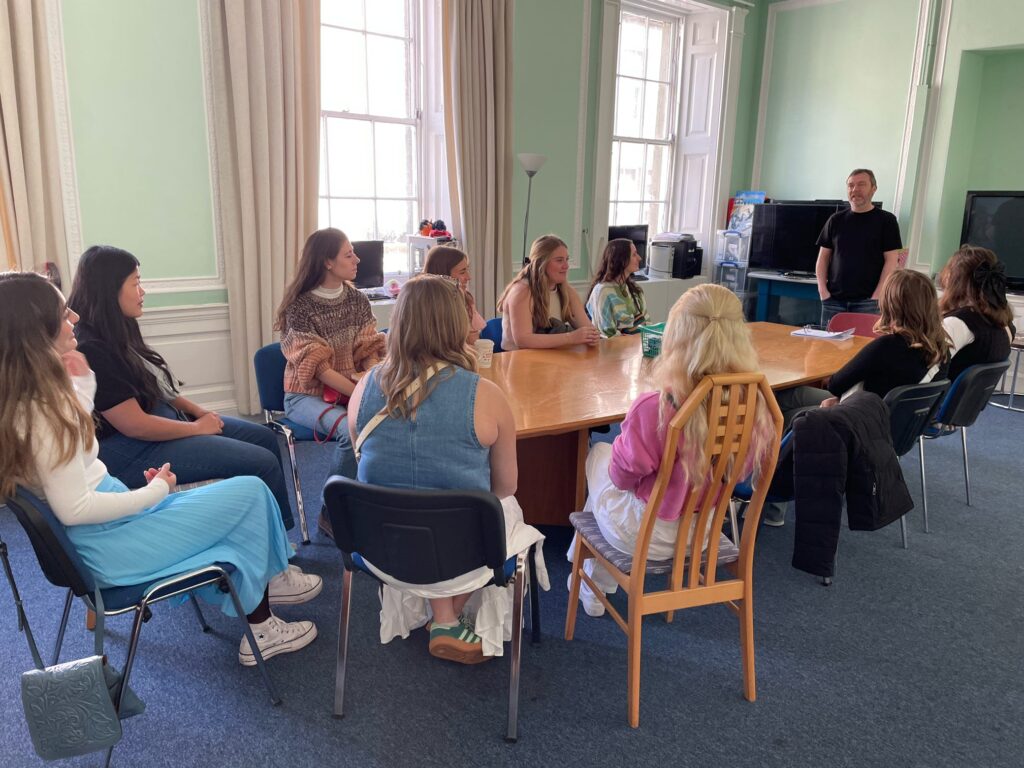
What should students understand, demonstrate, or question by the time they return? We begin there. Together, we consider the relationship between your objectives and the opportunities available through local partners. That process helps establish an appropriate balance of observation, professional exchange, supervised activities, cultural learning, and structured reflection.
Your faculty retain responsibility for course content, grading, and your institution’s academic decisions. We collaborate on how the international setting can support those goals and what is feasible with host partners.
You do not need a finished itinerary to begin. A course concept, a clinical education goal, or a question about what is possible is enough to start planning.
Integrate international learning into a course, short-term program, or departmental experience.
Explore practice settings and systems with clearly defined learner roles.
Assess site suitability, supervision, duration, evaluation, and university approval requirements.
Connect disciplines through shared questions about communication, function, participation, and care.
Explore cultural and linguistic diversity through international workshops and customized group learning.
Programs can examine communication and language, disability inclusion, rehabilitation, participation in everyday activities, community health, and the cultural contexts of care. We will help you identify appropriate options for undergraduate learners, graduate clinicians, or experienced professionals. Availability and scope vary by destination and partner capacity.
The examples below illustrate curriculum planning. They are adaptable design options, not a promise that every activity is available at every site.
Host-led discussion and structured observation
Reflective analysis using a faculty rubric
Compare community and clinical settings with local professionals
Systems map with context and limitations
Supervised case discussion within permitted student roles
Team presentation and peer feedback
Co-develop materials requested and reviewed by a host partner
Partner feedback and rationale for revisions
Discuss consent, scope, privacy, and continuity scenarios
Case analysis and facilitated debrief
Discuss your academic goals, student readiness, preferred timing, and institutional requirements. Identify the people who need to participate in decisions.
Explore partner settings, suitable activities, supervision needs, and a preliminary schedule. Build in orientation, reflection, and time to learn from local professionals.
Develop the program scope and budget for institutional consideration. Clarify responsibilities, inclusions, enrollment assumptions, and the approvals needed before recruitment.
Coordinate participant information, faculty preparation, travel logistics, and expectations for ethical engagement. Confirm student roles and the process for raising concerns.
Bring the agreed program to life with faculty, program staff, supervisors, and local partners each working within their assigned responsibilities.
Review student learning and partner feedback. Discuss what should continue, change, or be reconsidered before another cohort returns.
We work with you to establish the scope and cost of the proposed program. Discuss group size, faculty participation, housing, meals, transportation, learning activities, insurance arrangements, and other program components early. Ask how enrollment changes could affect pricing.
Your proposal should make the difference between included services and additional costs clear, including airfare, tuition or credit fees, personal expenses, and any faculty costs. Payment dates, cancellation terms, and conditions for program changes belong in the written agreement.
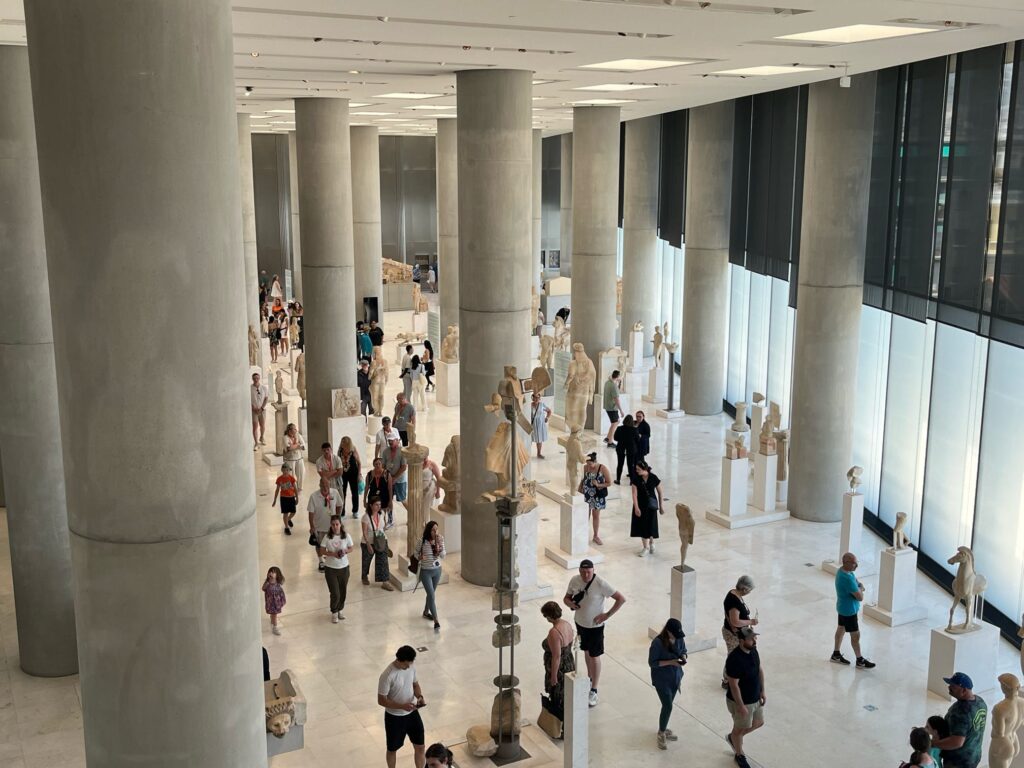
An international location does not change the need for appropriate supervision or authorize a student to work beyond their preparation. We discuss student qualifications, host-site permissions, supervisor responsibilities, and documentation requirements during planning. Clinical activities must suit the learner’s level and the local setting.
If your department intends to count observation hours, clinical hours, fieldwork, or placement credit, involve the relevant academic or clinical education lead before committing. Your institution determines what it can accept; eligibility depends on the specific activity and applicable requirements.

Learning about language, history, community priorities, and local education and health systems gives professional experiences their context. We can help faculty incorporate guided reflection on assumptions, resource use, and the limits of their own perspective. Cultural activities can reinforce these objectives while giving students opportunities to build relationships and appreciate the destination.
Yes. Share your outcomes, assessment approach, student prerequisites, and required contact time. We can discuss where an international component fits and which objectives need a different activity or setting.
Yes. Begin with a shared academic purpose and clear roles for each discipline. We will discuss whether the proposed destination, partner settings, and supervision model can support the group.
Contact us as soon as your department is considering a program. Institutional approvals, recruitment, clinical agreements, and host capacity all affect the timeline. We can help map the steps against your target term.
Group size is determined through planning. It affects pricing, staffing, housing, and the capacity of learning sites. We will discuss feasible options for your cohort instead of assuming one size fits every program.
No. A destination may be suitable for a study visit without being appropriate for a required clinical placement. We assess the particular discipline, student level, host setting, supervision, and university requirements with you.
Yes. We walk faculty through the planning process and help identify decisions, responsibilities, and preparation needs at each stage. Bring your study abroad colleagues into the conversation early.
A planning call can help you move from an interesting idea to a program your department can evaluate. Share what students should learn, when you hope to travel, and any requirements already on your list.
Have a question? Send us a general inquiry, or choose a program to ask about a specific trip. It goes straight to our admissions team.
Powered by WeTravel Trip Inquiry.
Send us a general inquiry or ask about a specific trip. It goes straight to our admissions team.
Powered by WeTravel Trip Inquiry.