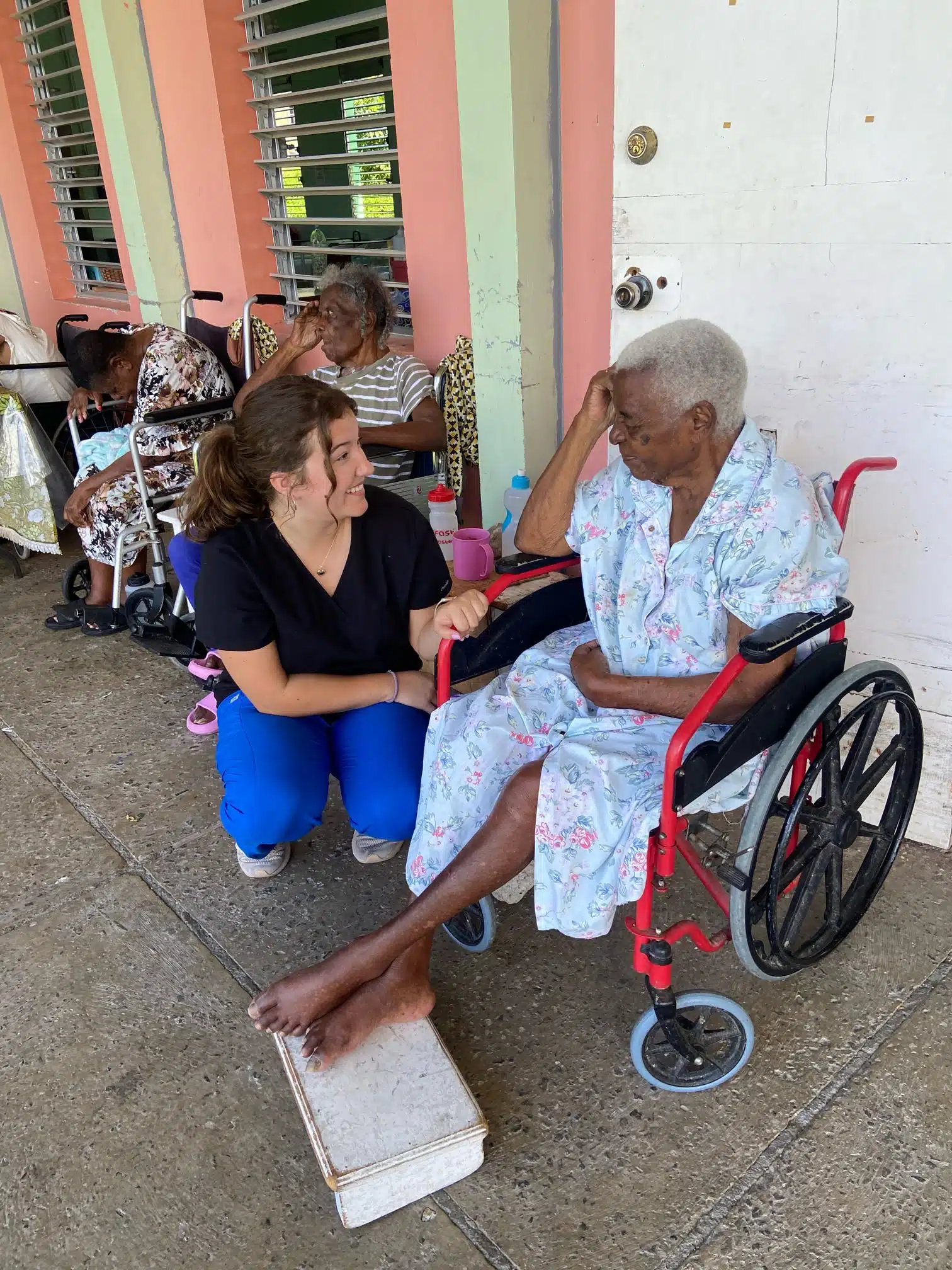
Overcoming Jet Lag, Sleep Hygiene, and Staying Energized on Long Program Days
International travel is exciting, inspiring, and, let’s be honest, physically demanding. Whether you’re heading overseas for a Therapy Abroad program or planning your own adventure, caring for your sleep and overall wellness is one of the best ways to set yourself up for a positive, meaningful experience.
Here are our top tips to help you manage jet lag, practice healthy sleep habits, and maintain energy for long, rewarding days in the field.
🌍 Beating Jet Lag Before It Begins
Jet lag happens when your internal clock is out of sync with a new time zone. You can’t avoid it entirely, but you can soften the impact:
1. Start adjusting your sleep schedule early
Shift your bedtime and wake-up time by 30–60 minutes toward your destination’s time zone a few days before departure.
2. Hydrate more than you think you need
Dehydration can worsen jet lag symptoms, so drink water consistently before, during, and after your flight. For an extra boost, consider adding an electrolyte packet the day before and during travel.
3. Sync with local time as soon as possible
Once you land, try to eat meals and sleep according to the local schedule, even if you’re not fully tired yet.
4. Use light to your advantage
- Morning sunlight helps you adjust your internal clock earlier.
- Evening sunlight helps you stay awake longer if traveling west.
😴 Sleep Hygiene for Travelers
Good sleep doesn’t happen by accident—especially after crossing multiple time zones. Practicing consistent sleep hygiene sets your body up for restorative rest.

1. Create a calming pre-sleep ritual
You can recreate this anywhere:
- deep breathing
- gentle stretching
- a warm shower
- listening to soft music
Your body learns to associate these cues with sleep.
2. Limit screens before bed
Blue light can make it harder to fall asleep, especially when your internal clock is already adjusting. Take advantage of the moment and be present with the experience around you, travel is a great opportunity to take a break from your phone.
- Pack travel sleep essentials
- eye mask
- earplugs
- travel pillow
- comfortable sleepwear
- a familiar, soothing scent (lavender spray, essential oil)
These small comforts help you settle into new environments more easily.
4. Be mindful with caffeine and sugar
A morning coffee is fine, but multiple cups late in the day can keep you from falling asleep when the program schedule requires an early night.
💪 Maintaining Energy During Long Program Days
Therapy Abroad programs are immersive, exciting, and sometimes physically demanding. Staying energized helps you fully participate and get the most out of every moment.

1. Fuel intentionally
Long days require steady energy. Aim for:
- balanced meals with protein, whole grains, and fruits/vegetables
- healthy snacks (nuts, granola bars, fruit)
- regular hydration
Avoid skipping meals—even when you’re tired.
2. Move your body throughout the day
Light movement boosts mood and stamina:
- stretch in the morning
- walk during breaks
- use gentle mobility exercises after long bus rides or clinical rotations
3. Build in micro-rest where possible
Even 5–10 minutes of quiet time can help:
- sit somewhere peaceful
- close your eyes
- take slow, deep breaths
A quick reset can make a big difference.
4. Prioritize rest when you can
Staying up late to socialize is tempting, but remember: sleep is what helps you show up fully. Balance connection with self-care.
🧘 Mind–Body Strategies for Travel Wellness

Simple grounding techniques can help you cope with fatigue and stay emotionally regulated:
- Box breathing (4–4–4–4): A simple technique to calm your nervous system. Inhale for four seconds, hold for four, exhale for four, and pause for four. Repeat for 1–2 minutes. This is especially helpful during travel delays, long flights, or when adjusting to a new environment.
- Progressive muscle relaxation during long flights: Starting at your feet and working upward, gently tense and relax each muscle group for a few seconds. This reduces physical tension from sitting and helps your body shift into a more relaxed state, perfect for improving in-flight rest or adjusting to a new sleeping arrangement.
- Mindful walking during transitions: Whether you’re moving through an airport, exploring a new city, or walking between program sites, slow down and notice your surroundings. Pay attention to the sounds, colors, textures, and pace around you. This grounds your mind and helps manage sensory overload during travel.
- Gratitude journaling to reflect on meaningful moments: Take a few minutes each day to write down one or two things you appreciated, learned, or noticed. This simple practice helps you stay present, deepen your connection to the experience, and create a record of moments you’ll want to remember long after the trip.
These practices support your nervous system and help you stay present throughout your experience.
✨ Final Thoughts
International travel is one of the most rewarding experiences you can have, especially when it involves learning, service, and cultural immersion. By protecting your sleep, practicing strong wellness habits, and listening to your body, you’ll set yourself up for an energized, resilient, and enriching journey.
Your future self—whether on a mountain in Bulgaria, along the coast of Belize, or exploring a new city—will thank you.
 Share
Share
 Tweet
Tweet
 LinkedIn
 Pin
Pin
 Email
Email